TikTok Scams in 2026: How the Most Common Ones Work and How to Spot Them
The five TikTok scams actually spreading right now (fake shops, giveaways, AI celebrity videos, creator impersonation, investment funnels) and the one check that defeats each.
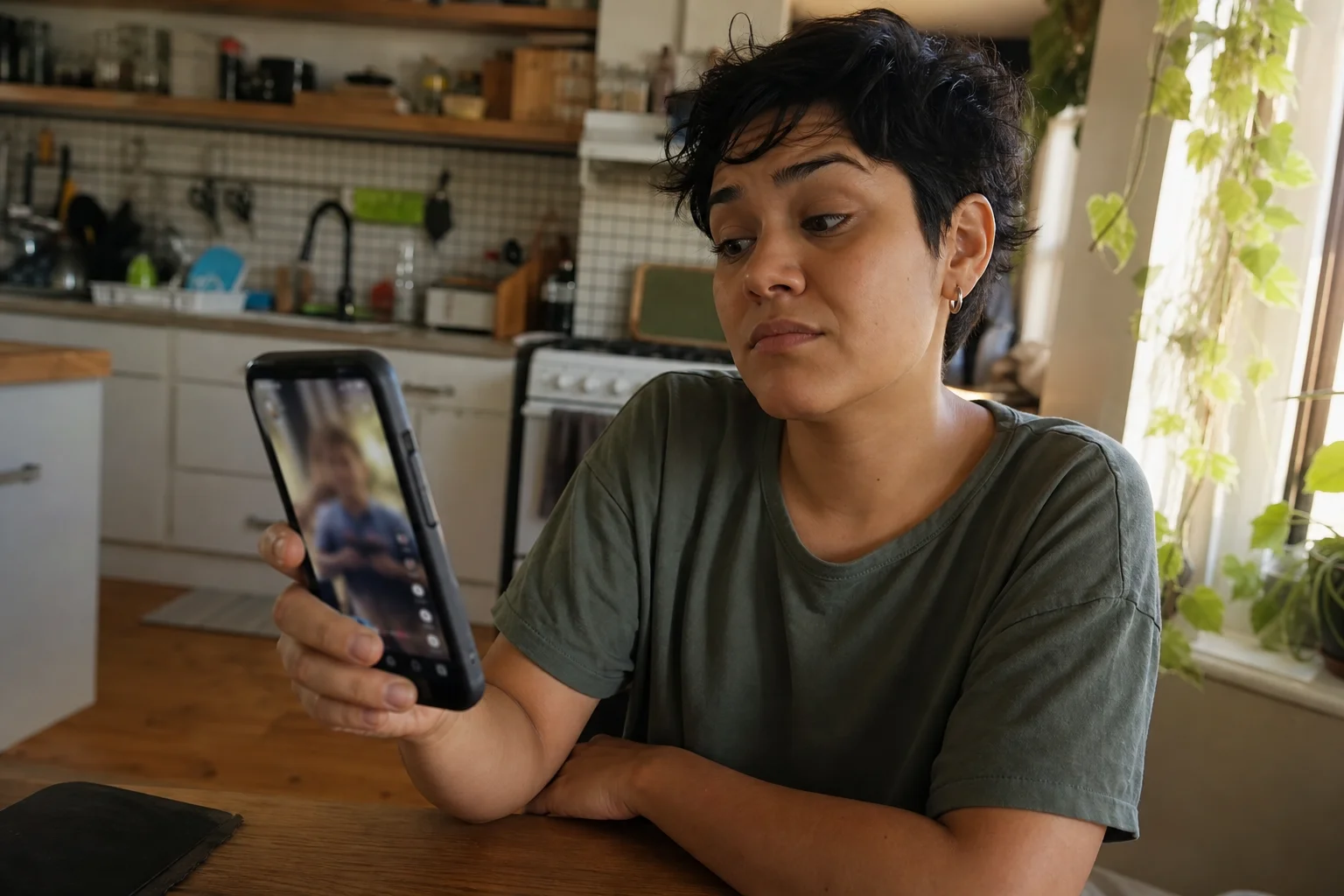
Most TikTok scams in 2026 follow one of five patterns: fake shop listings, pay-to-claim giveaways, AI-generated celebrity endorsement videos, creator impersonation that pulls you into Snapchat or a peer-to-peer payment app, and investment funnels that promise guaranteed returns. Each one has a single moment where it falls apart if you know where to look. You don't need to become a security researcher, you just need to recognize that moment.
The scale behind this is documented, not guessed. The FTC found that nearly 60% of people who lost money to a romance scam in 2025 said it started on a social media platform, and total reported losses to social media scams reached $2.1 billion that year, an eightfold increase since 2020. The FBI's Internet Crime Complaint Center (IC3) logged just over 1 million complaints in 2025 with $20.877 billion in total losses, up 26% from 2024. Below is each scam pattern, how it actually works, and the one check that breaks it.
How Big Is the Scam Problem on Social Media Right Now?
In 2025 the FTC recorded $2.1 billion in losses to scams that started on social media, with investment scams alone accounting for $1.1 billion of that and shopping scams the single most reported type. The FBI's IC3 received 1,008,597 complaints in 2025, with $20.877 billion in losses (up 26% year over year) and investment fraud again the costliest category at $8.65 billion. Neither agency breaks these numbers out by individual app, but TikTok's shop, livestream gifting and DM features put it squarely inside every one of these patterns, which is why the mechanics below matter more than any single statistic.
Fake TikTok Shop Listings: How the "Too Good a Price" Scam Works
A fake TikTok Shop listing uses a steep discount on a brand-name item, stolen or stock photos, and pressure to pay outside TikTok's own checkout, and the item either never arrives or shows up as a counterfeit. Some sellers even post real demo footage of the genuine product, filmed by someone else, to make the listing look legitimate before you ever see what actually ships.
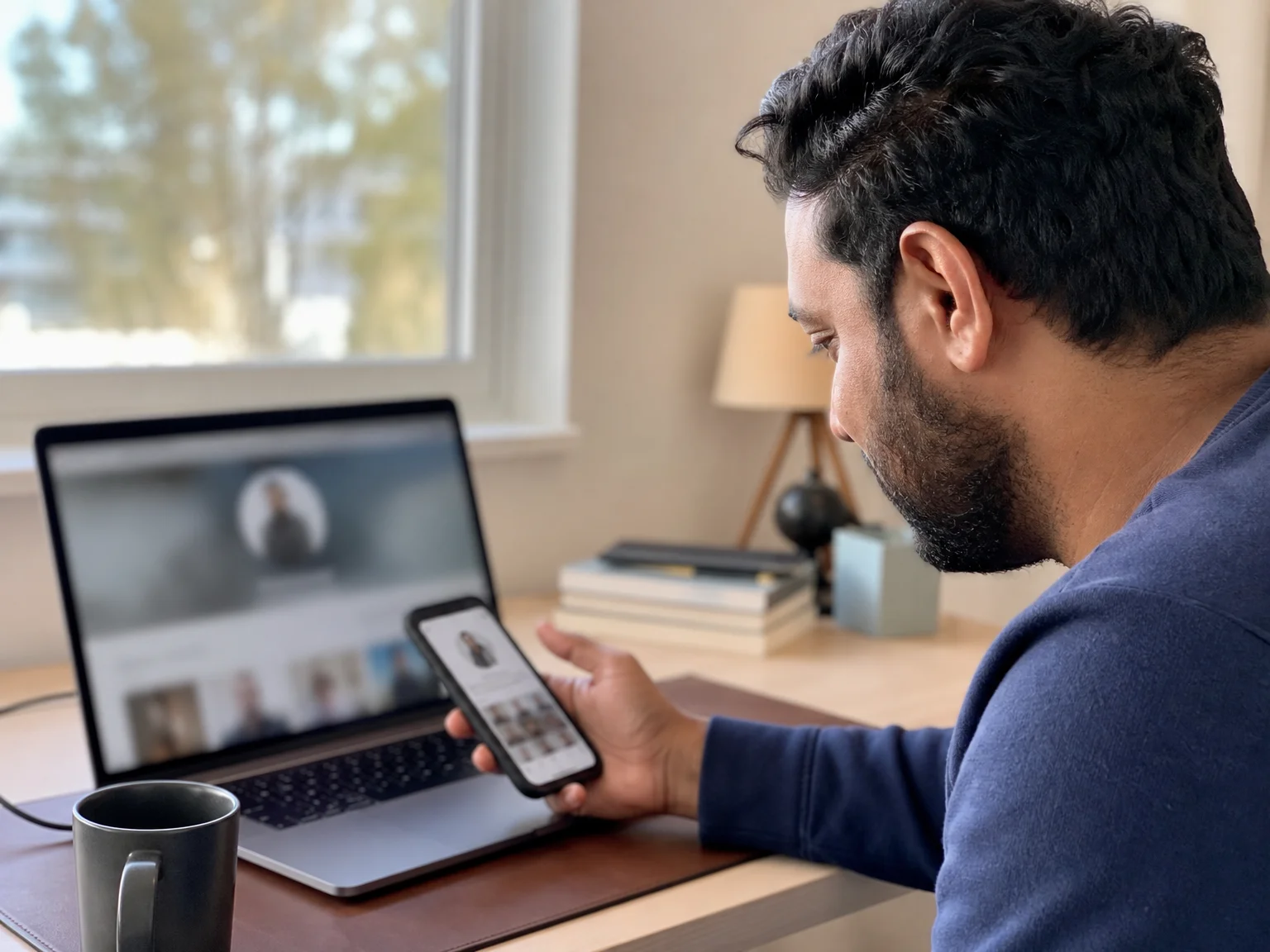
The part that does the damage is the moment a seller offers a "special price" if you pay through Venmo, Cash App, crypto, or a bank transfer instead of TikTok Shop's checkout. That single request is the tell: once money leaves through a peer-to-peer app or outside link, TikTok's buyer protections no longer apply and the transfer usually can't be reversed.
The one check: pay only through TikTok Shop's own checkout, never through a direct app transfer or an outside link, no matter how good the discount sounds for doing it that way.
The "Free Gift" and Giveaway Scam: Why You're Asked to Pay for Something "Free"
A TikTok giveaway scam tells you that you've already won a prize, then asks for a small "shipping" or "processing" fee before you can receive it, and that fee tends to grow the moment you pay it. Some versions impersonate TikTok's own support account, a brand, or a celebrity; others pose as an employee offering a secret discount code on jewelry or electronics, with shipping costs that climb every time you add an item.
The one check: a real giveaway never requires payment to receive what you won. Any message that asks you to pay to "unlock," "ship," or "process" a prize is the scam itself, not a formality standing between you and it.
AI Celebrity Endorsement Videos: Spotting a Deepfake Before You Invest
An AI celebrity endorsement scam takes real public footage of a well-known figure and manipulates the voice and mouth movements so it looks like they're personally endorsing a crypto or investment opportunity they never touched. New York's Attorney General issued an investor alert describing exactly this pattern: fraudsters reuse existing public video or audio of figures like business leaders, then move viewers into messaging apps before directing them to a fake trading platform that shows invented, growing balances.
The alert is blunt about one thing: it can be genuinely hard to tell from the video alone that it's fake. That's why the check isn't about watching more closely, it's about looking elsewhere.
The one check: do a reverse search on the clip to find its original, unedited source, and look for the endorsement on the celebrity's or company's own verified channels, never inside the video itself. If the only place the endorsement exists is the ad, it isn't real.
Creator Impersonation That Moves the Conversation to Snapchat or a Payment App
In this scam, someone builds a fake account using a real creator's photos and a cloned voice, gets discovered through TikTok, then pushes the conversation into a DM and on to Snapchat for a "private" or "exclusive" chat. Security researchers tracking this pattern describe a consistent handoff: TikTok for discovery, Snapchat for the conversation, and a peer-to-peer app like Cash App for payment, because those transfers clear instantly and usually can't be pulled back once sent. By the time a fan realizes nothing is coming, the account is already gone.
This hurts two people: the fan who loses the payment, and the real creator, whose face and voice were used without their knowledge and who may face blowback from people who think they were the one who took the money.
The one check: no real creator or verified brand representative needs to move you off TikTok into a private chat and then take payment through a personal peer-to-peer app. If a conversation does both of those things, stop and verify through the creator's own established, verified account before sending anything.
Investment and "Guaranteed Return" Funnels
These funnels usually start with a video promising fast, guaranteed profits, often paired with one of the deepfake endorsements above, and funnel viewers into a WhatsApp or Telegram group full of fabricated success stories. From there, a dashboard shows a balance that appears to grow, and withdrawing it requires one more deposit to "unlock" the funds. The FTC puts investment scams as the costliest category of social media fraud at $1.1 billion in 2025, and the FBI's IC3 puts investment fraud at $8.65 billion across all internet crime that year, the single largest category it tracks.
The one check: no legitimate investment ever guarantees a return, and no legitimate platform ever asks you to pay more before releasing money that's already yours. Either of those is the full scam, not a step in a real process.
Is This TikTok Account Fake? How to Check Before You Trust Someone
A fake or impersonation account usually shows at least one mismatch: a handle that doesn't match the display name, an account created recently despite claiming a long history, a missing verification badge on an account posing as a public figure who would have one, or a follower count that doesn't match the views and comments the videos actually get, a common sign of purchased or fake followers.
One cybersecurity vendor's 2025 survey, an industry estimate rather than a government figure, found that a large share of TikTok users said they ran into a scam attempt on the platform on a weekly basis, which lines up with how common these account mismatches are in practice.
The one check: before you trust a DM, a brand deal offer, or a giveaway, look at account age, the presence (or absence) of a verification badge where one should exist, and whether engagement roughly matches follower count. A reverse image search on the profile photo will often turn up the real account it was lifted from.
It's worth being honest about what identity verification can and can't do here. A verified human profile cuts down the number of fake accounts impersonating real people; it doesn't eliminate fraud or deepfakes outright, and the checks above still matter even when you're on a platform that verifies who's real. Repfie's verified human profiles work this way: a quick liveness check confirms you're a real person, any AI creation made with your likeness is signed as yours, and the scan itself is deleted and never sold or used to train AI, which narrows the pool of accounts that can convincingly pose as someone else without closing it entirely.
Protecting Your Own Face From Being Used in Someone Else's Scam
If you're a creator, the impersonation and deepfake-endorsement patterns above are aimed at you as much as at your audience, since your photos and voice are the raw material scammers lift. Two things make that harder to pull off. Repfie's verified human profile and likeness registration signs AI creations made with your likeness as yours, so there's a clear record of what's genuinely you versus a fabrication wearing your face. And for creators doing real brand deals, the Angelfluencer program lets you promote products and services on your own terms, earn commission per sale with no inventory or shipping to manage, and license your verified likeness to sellers with your approval on every single use, so a "brand deal" that bypasses that approval is a sign to walk away, not negotiate with.
None of this replaces the checks above. It just means the account claiming to be you has a harder time proving it, and the brand deal in your DMs has an easier way to prove it's actually legitimate.
FAQ
What is the most common TikTok scam right now? The FTC's broader social media data shows shopping scams as the most frequently reported type overall, and on TikTok specifically that shows up as fake or counterfeit TikTok Shop listings paired with requests to pay outside TikTok's own checkout. Giveaway scams and AI celebrity endorsement videos for crypto or investment schemes are close behind.
Is TikTok Shop safe to buy from? TikTok Shop's own checkout includes buyer protections, but those protections disappear the moment a seller asks you to pay through Venmo, Cash App, crypto, or a bank transfer instead. Pay only through TikTok Shop's checkout, and treat any request to pay outside it as the scam.
How can I tell if a TikTok giveaway is real? A real giveaway never asks you to pay to receive your prize. If a message asks for a 'shipping,' 'processing,' or 'unlock' fee before you can get what you supposedly won, it's a scam, regardless of how small the fee is.
Can an AI video of a celebrity endorsing an investment be real? Treat it as fake by default. New York's Attorney General has warned that scammers manipulate real public footage of celebrities and business figures to fabricate endorsements, and recommends reverse-searching the clip and checking the person's own verified channels rather than trusting the video itself.
How do I know if a TikTok account has fake followers? Compare the follower count to actual engagement. An account with a large following but views, likes, or comments that don't come close to matching it is a common sign of purchased or fake followers. Account age, a missing verification badge on an account posing as a public figure, and a reverse image search on the profile photo are the other quick checks.
Does a verified profile stop deepfakes and fake accounts completely? No. A verified human profile reduces the number of fake accounts that can convincingly impersonate a real person, but it does not eliminate fraud or deepfakes entirely. The account-checking steps in this guide still apply even on platforms that verify identity.
Show up as the real you
Repfie is the social platform where every profile is a verified, real person. Share your best shots, grow a following that trusts you, and earn from real recommendations.
Join Repfie free →