Fundraiser Suggestions That Use Social Media: 15 Ideas With Influencers, Local Businesses and Cause Marketing
15 suggestions for fundraisers that run on social media: creator takeovers, round-up partnerships with local businesses, and transparent progress posts donors trust.

Most lists of fundraising ideas are built for bake sales and raffles. If you're looking for suggestions for fundraisers that actually spread on social media, you need a different set of tools: creators who already have an audience, local businesses willing to share a slice of sales, and posts that show your supporters exactly what their involvement did. Below are 15 ideas organized into three groups that work together: creator and influencer takeovers, round-up and sales-share partnerships with local businesses, and transparent progress posts that keep donors coming back.
Quick Answer: 15 Social-First Fundraising Ideas
- Creator takeovers: Stories takeover, "day in the life" volunteer shift, tagged challenge, behind-the-scenes program visit, creator unboxing or tour
- Business partnerships: Checkout round-up, dine-and-give night, retailer give-back week, limited co-branded item, loyalty-program tie-in
- Trust-building posts: Weekly progress update, "share the receipt" recap, public partner thank-yous, "where the money goes" visual, volunteer or donor spotlight
Each idea below includes how to run it and what to post, since the posting is what turns a one-time event into something your audience notices.
5 Ways to Run a Creator or Influencer Takeover
A creator takeover works because it borrows an audience that already trusts the person posting, instead of asking your own small following to do all the sharing. Here's how to set one up.
- Hand a local micro-creator your Stories for a day. Pick someone who already posts about your city, your cause area, or a related hobby, and let them run your account's Stories during an event or shift. Give them a simple shot list (arrival, one task, one person they meet) rather than a script.
- Ask a creator to film a "day in the life" volunteer shift. This format performs well because it's observational, not promotional. The creator shows up, volunteers alongside your team, and posts what the day actually looked like.
- Start a tagged challenge tied to your cause. Keep the action simple and repeatable (a short task, a photo, a tag) so people can join without special equipment or a big time commitment.
- Give a creator behind-the-scenes access to a program visit. Let them see where donations go: a food pantry shelf, a shelter, a classroom. Specific, unscripted detail is what makes this kind of post land.
- Have a creator do an unboxing or tour of a donated item or space. If a business donated equipment, supplies, or a renovated room, a short tour post explains the donation better than a thank-you caption alone.

One thing to check before you hand your account to a creator you haven't worked with: whether the account and its followers are real. Repfie's verified human profiles and likeness registration run a quick liveness check so you know you're working with a real person, not a fake account or an AI clone, and the scan is deleted afterward rather than stored or used to train AI.
5 Round-Up and Sales-Share Partnerships With Local Businesses
A sales-share partnership turns a business's existing foot traffic into fundraising, without asking the business to write a check. These five structures are the easiest to pitch to an owner who hasn't done one before.
- Ask a register for round-up at checkout. Customers round their total up to the next dollar and the difference goes to your cause. It costs the shopper almost nothing per visit, which is why it's an easy "yes" for a business owner to test.
- Book a dine-and-give night with a restaurant. The restaurant donates a percentage of sales from a set window (a weeknight dinner service, for example) and you bring the crowd by promoting the date on social media beforehand.
- Set up a give-back week with a retailer. Instead of one night, run a longer window tied to a specific product line, so the business can plan inventory and you get more days of promotion.
- Create a limited co-branded product or menu item. A coffee shop names a drink after your cause for a month, or a bakery runs a themed item, with proceeds from that item going to you.
- Tie into a loyalty program. If a business already has a punch card or points system, ask whether customers can donate their reward instead of redeeming it.
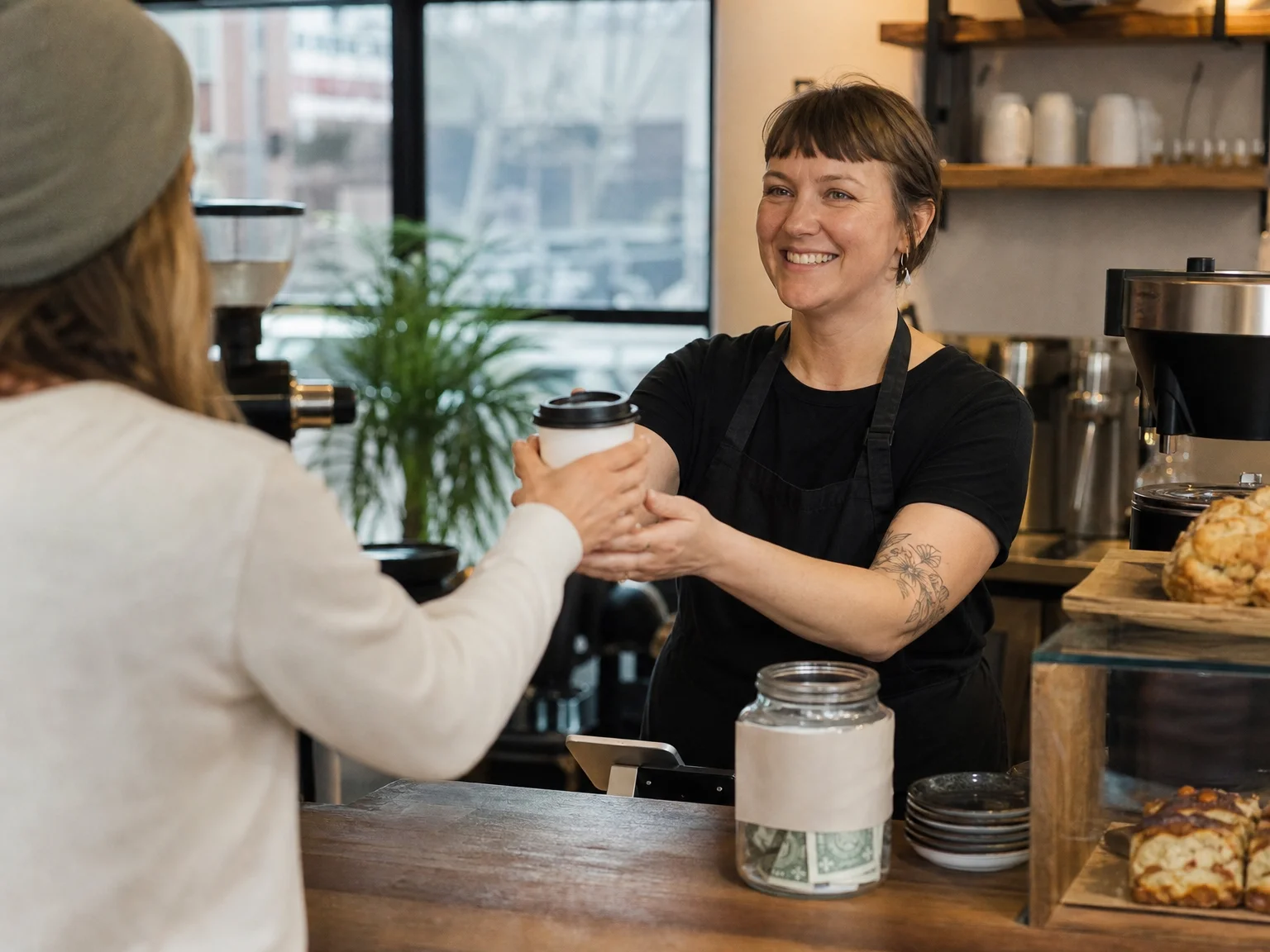
The hard part of these partnerships usually isn't the pitch, it's tracking who actually sold what and getting the business paid out correctly without a spreadsheet. Repfie's nonprofit registration lets sellers and influencers choose your nonprofit so a portion of each sale goes to you automatically, with contributions you can trace back to the partner who generated them.
5 Transparent Progress Posts That Build Donor Trust
Donors who can see what their support did are more likely to show up again. None of this requires promising a dollar figure in advance, just showing your work after the fact.
- Post a weekly progress update. A short post after each shift, event, or sales window showing what happened (how many volunteers showed up, how many meals went out, how many partners joined) keeps your cause visible between asks.
- Share the receipt. When a round-up or sales-share partnership wraps up, post what it actually paid for: a specific supply run, a repair, a program cost. Concrete is more convincing than a generic thank-you.
- Publicly tag and thank each participating business and creator. This does double duty: it's a thank-you, and it's social proof to the next business or creator you want to approach.
- Post a simple "where the money goes" recap. A short visual breakdown of how a recent campaign's support was used helps new followers understand your cause faster than a mission statement does.
- Spotlight a volunteer or donor story each week. Rotating the spotlight away from your organization and onto the people involved makes your feed feel like a community, not a brochure.
Turning One-Off Fundraisers Into a Steady Pipeline of Support
The three groups above work best together: creators bring new eyes, business partnerships turn everyday purchases into giving, and progress posts turn one-time supporters into repeat ones. The piece that's hardest to do by hand is keeping track of which partner drove which contribution, especially once you're running more than one campaign at a time.
That's what Repfie's nonprofit registration is built for: sellers and influencers choose your organization, a portion of each sale goes to you automatically, and every contribution is traceable back to the partner who made it, instead of living in a shared spreadsheet. And because the creators and businesses you're partnering with are verified real people rather than anonymous accounts, you can post their involvement publicly with more confidence that the partnership is what it appears to be.
Run one idea from each group this month: a single creator takeover, one round-up partnership with a nearby business, and a weekly progress post to tie them together. That's a small, repeatable system, not a one-time event you have to reinvent every quarter.
FAQ
What are good suggestions for fundraisers that use social media? The three that work best together are creator or influencer takeovers (handing your account or a shift to someone with an existing audience), round-up or sales-share partnerships with local businesses, and transparent progress posts that show donors what their support funded. Running one of each keeps a single campaign from feeling like a one-off ask.
How does a round-up fundraiser with a local business work? A business rounds each customer's total up to the next dollar (or donates a percentage of sales during a set window) and passes the difference to your organization. It costs the shopper very little per visit, which makes it an easy partnership for a business owner to agree to test.
Do I need to promise a specific donation amount to run a social media fundraiser? No. The most effective posts show what already happened, such as how many volunteers showed up or what a past partnership funded, rather than promising a dollar figure in advance. Sharing concrete results after the fact builds more trust than a forecast.
How do I find a creator to partner with for a nonprofit fundraiser? Look for creators already posting about your city, your cause area, or a related hobby and already have genuine engagement rather than purchased followers. A quick liveness or identity check, like the one Repfie's verified human profiles provide, can help confirm you're working with a real person before you hand over your account.
What should a nonprofit post to build donor trust on social media? Post regularly and specifically: a weekly progress update, a 'share the receipt' recap after a campaign ends, public thank-yous that tag each partner, and a simple breakdown of where recent funds went. Consistency and specificity matter more than any single viral post.
Show up as the real you
Repfie is the social platform where every profile is a verified, real person. Share your best shots, grow a following that trusts you, and earn from real recommendations.
Join Repfie free →