How Can I Make Money From Instagram? 7 Realistic Paths for Everyday Creators
An honest breakdown of 7 real ways to earn from Instagram: brand deals, affiliate links, UGC, paid services, your own products, digital products and native payouts, with what each actually needs first.
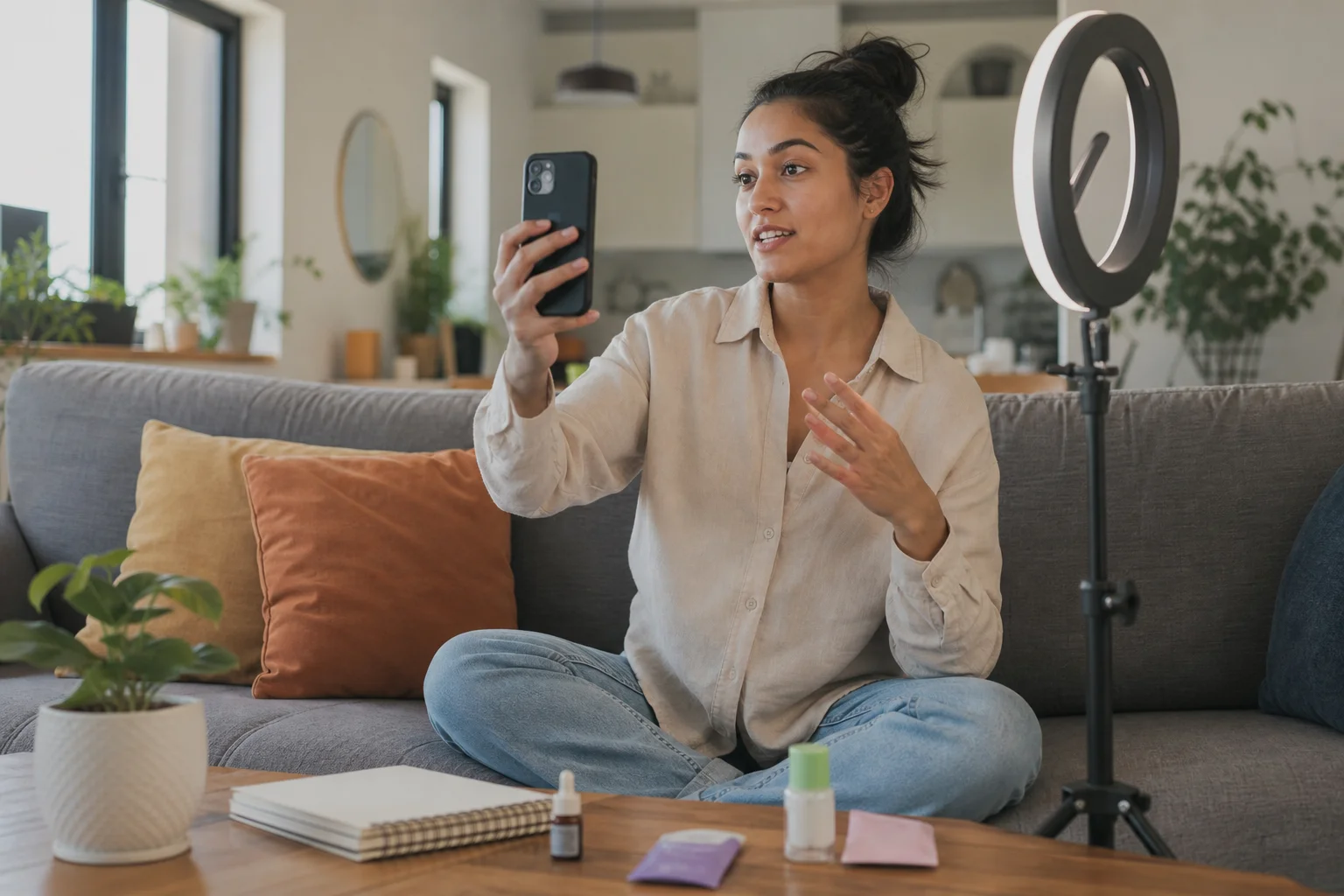
Most people who earn money from Instagram are combining two or three of seven paths: brand partnerships, affiliate and commission links, UGC content made for brands, paid services for other businesses, selling your own products, digital products, and Instagram's own built-in creator payouts. None of them pay out just because you post regularly. Each one needs a specific thing from you first, and that's what this guide walks through, path by path, with no promised numbers attached.
What Every Path Has in Common Before It Pays
Before any of the seven paths below start earning anything, they all depend on the same three things: a clearly defined audience, content people stop scrolling for, and enough consistency that a brand, buyer, or the platform itself has a reason to notice you. Skipping straight to "how do I get paid" without these in place is why most attempts stall.
- A niche, not a vibe. "Fitness for new parents" gets picked for brand deals and affiliate links. "Lifestyle" doesn't.
- A visual standard you can repeat. One good photo is luck. A recognizable look across every post is a skill, and it's the single biggest thing separating accounts that get paid from accounts that get scrolled past.
- A reason to trust you. Every path on this list runs on someone, a brand, a buyer, or a viewer, believing the person behind the account is real and reliable.
1. Brand Partnerships and Sponsored Posts
Brand partnerships pay you to feature a product or service in a post, Reel, or Story, either for a flat fee or in exchange for free product, and they're the path most people think of first, even though they're usually the slowest to land without a focused niche. Brands choose creators whose audience obviously matches their customer, not creators with the biggest numbers.
What it needs before it works: a niche a brand can picture their customer in, a simple media kit (who you are, who follows you, examples of past content), and a way for brands to find or vet you. Instagram's own Creator Marketplace and its Partnership Ads tool exist specifically to connect brands with creators and let a brand boost a creator's branded content as an ad, which is worth setting up even before you pitch anyone directly.
Try today: write a one-page media kit with three recent posts and one sentence on who your audience is, then send it to five brands you already use and like.
Brands vet creators carefully before paying anyone, and proving you're a real person with a consistent track record helps you clear that bar faster than follower count alone does. Repfie's verified human profiles and likeness registration do this with a quick liveness check, so your profile carries a verified signal instead of looking like one of thousands of similar-looking accounts.
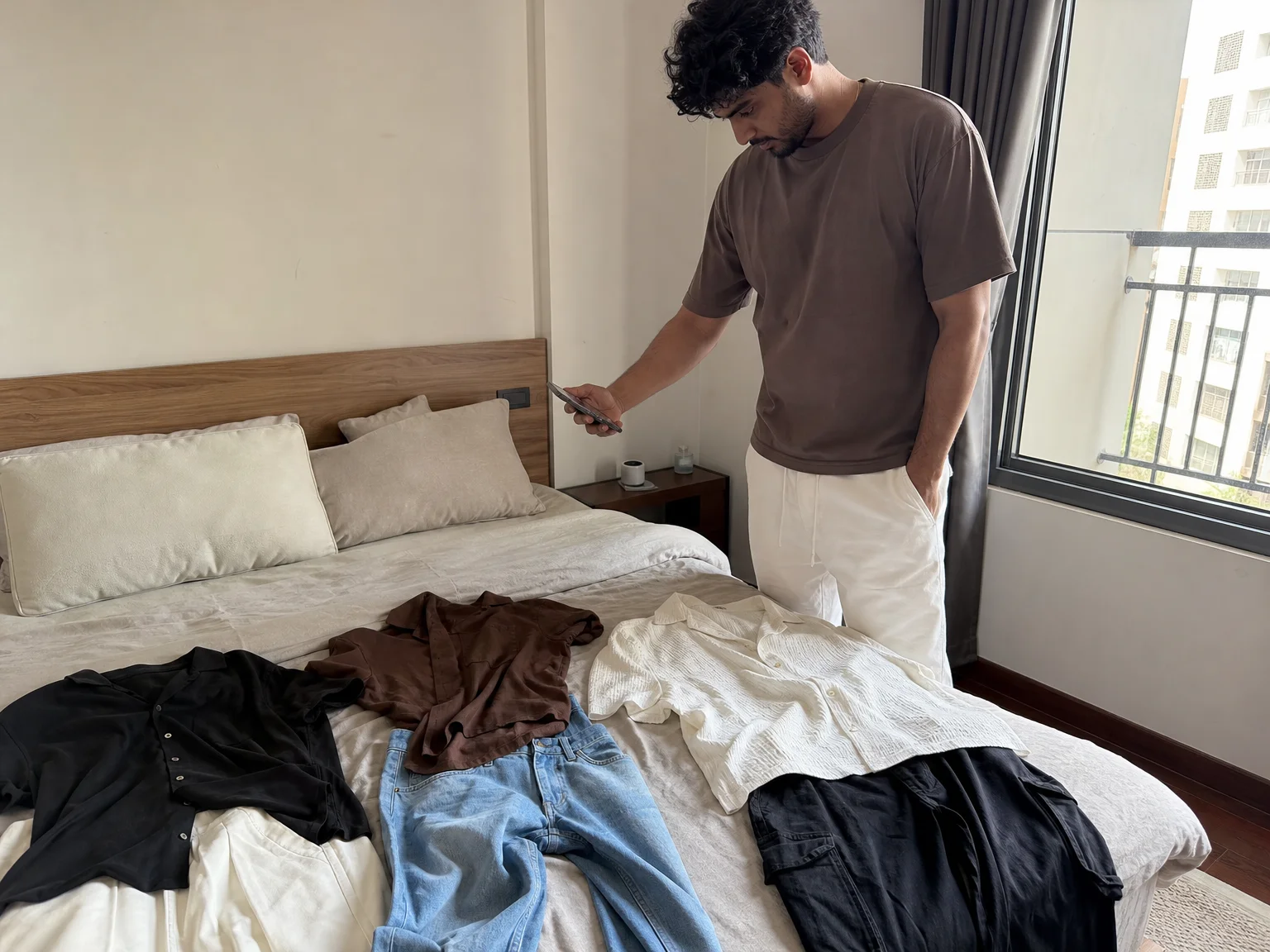
2. Affiliate and Commission Links
Affiliate and commission links pay you a cut every time someone buys through your unique link or code, with no inventory, shipping, or upfront brand negotiation required, which makes this the lowest-friction path on the list to start. The catch is that it only works on an audience that actually trusts your recommendations enough to click and buy.
What it needs before it works: a niche where you can honestly recommend things you use, enrollment in a brand's affiliate program or an affiliate network, and a link in your bio or Story links that you can track over time.
Try today: pick two or three products you already use and would recommend anyway, get your affiliate link or code for each, and put one in your bio with a short, honest explanation of why you use it.
Repfie's Angelfluencer program is built around exactly this model. You promote products and services you love and earn commission per sale, with no inventory or shipping to manage. It also lets you license your verified likeness to the sellers you work with, with your approval required on every use, so you keep control over exactly how your face shows up in someone else's ad.
3. UGC Content for Brands
UGC, or user-generated content, is paid video or photos made to look and feel like a normal post or ad, but created for a brand to run in their own feed or ad account instead of yours, which means you don't need a large following to get started. What you need instead is a portfolio that shows you can turn a brief into content fast.
What it needs before it works: a short reel of sample content (even unpaid, self-initiated examples), comfort pitching directly to brands or UGC agencies, and the ability to turn around multiple looks and settings without needing a new shoot for every brief.
Try today: film one unpaid "example" UGC video for a product you already own, structured like a real ad brief (hook, demo, call to action), and add it to a simple portfolio link.
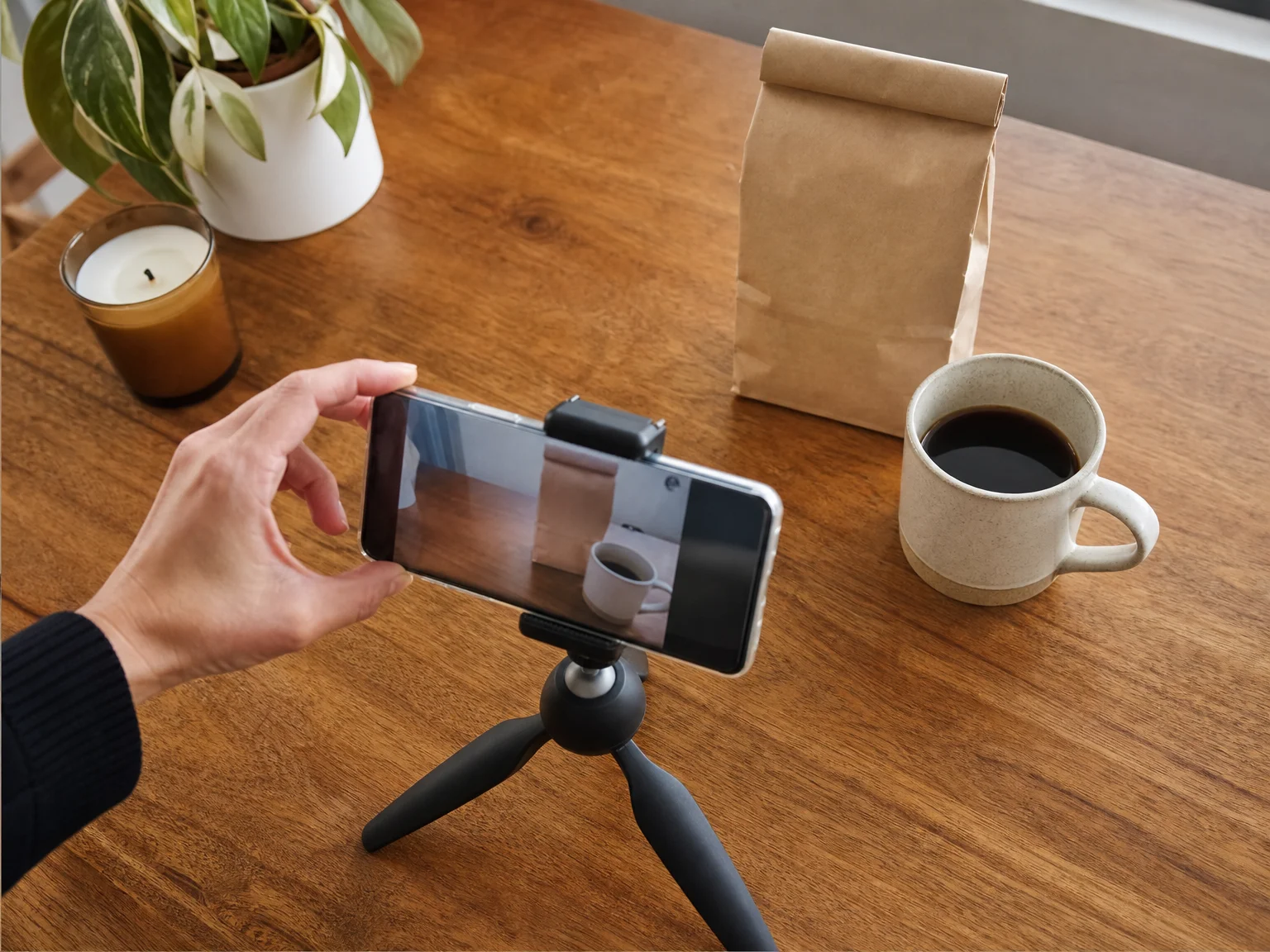
The bottleneck for most UGC creators isn't skill, it's getting enough fresh looks and settings without rebooking a studio for every brief. Repfie's Replure solves that by modeling your verified likeness into a new scene with a chosen pose, outfit, and backdrop, so you can get the shot without a new photoshoot every time a brand asks for something different.
4. Paid Services for Other Businesses
If you're genuinely good at one part of making content, photography, captions, Reels editing, or account strategy, local and small businesses will pay you for that skill directly, and they're paying for the skill, not your follower count. This is often the fastest path to a first paid dollar because it doesn't depend on your own audience size at all.
What it needs before it works: a specific service you can describe in one sentence, two or three example pieces of work (even done for free for a friend's business), and a short list of businesses that clearly need it.
Try today: message three local businesses in a category you understand well, offering one free sample post or caption so they can see your work before paying for more.
5. Selling Your Own Products
Selling your own products, whether print-on-demand merchandise, handmade goods, or a small catalog of your own, turns your Instagram into a storefront instead of a media outlet. The honesty check here is whether people would buy the product on its own, not just because your face is attached to it.
What it needs before it works: a product people want independent of you, a small enough first batch or a print-on-demand setup that you're not carrying inventory risk, and Instagram's shoppable post or Shop features connected to a product catalog.
Try today: post a simple poll or "would you buy this" story about one product idea before spending money on inventory.
6. Digital Products and Paid Content
Digital products, templates, presets, short courses, or paid subscriber-only content, let you sell your knowledge once and keep selling it, but only after you've proven that knowledge publicly for free. Nobody pays for a course from someone whose free content hasn't already demonstrated the expertise.
What it needs before it works: a specific, narrow skill you can teach (not "social media tips" but "how I edit my Reels in under 10 minutes"), a body of free content that already proves it, and a simple way to deliver the product, a link, a file, or Instagram's own subscription tool.
Try today: outline one digital product around the single question your audience asks you most often in comments or DMs.
7. Instagram's Built-In Creator Payouts
Instagram pays creators directly through a small set of native tools: bonuses tied to the performance of your reels, carousels, and single image posts, gifts and badges from viewers during and after live video, and subscriptions for exclusive content. None of these are guaranteed or available to every account at the same time.
What it needs before it works: an eligible, active account posting the content formats each tool rewards, and realistic expectations, Instagram itself says there's no one-size-fits-all approach and recommends creators test a mix of monetization tools rather than lean on just one.
Try today: check which native monetization tools are available on your account in Instagram's own settings, and turn on the ones that are, even if you're also pursuing other paths on this list.
Where Repfie Fits as You Build These Income Streams
Most of the paths above work better once two things are true: the people paying you can tell you're a real person, and you can produce enough good content without burning out trying to shoot everything yourself. Repfie's verified human profiles and likeness registration establish the first with a quick liveness check; any AI creation made with your likeness afterward is signed as yours, and the scan itself is deleted and never sold or used to train AI. For income specifically, the Angelfluencer program lets you promote products and services on your own terms, earning commission per sale with no inventory or shipping to manage, and license your verified likeness to sellers with your approval required on every use. And when a brief calls for a look you don't have time to shoot, Replure models your verified likeness into a chosen pose, outfit, and backdrop, so the shot is ready without booking a studio day.
FAQ
How can I make money from Instagram with a small following? Affiliate and commission links, UGC content made for brands, and paid services for other businesses are the three paths on this list that don't require a large following. They depend on trust, a portfolio, or a specific skill rather than follower count.
How much money can I realistically make from Instagram? It varies too much by niche, consistency, and which paths you combine to state a reliable figure, and anyone promising a specific number without knowing your account is guessing. Start with the path that fits your current audience size and skills, then add a second once the first is working.
How is UGC different from being an influencer? An influencer posts sponsored content to their own audience. A UGC creator makes content for a brand to post on the brand's own account or run as an ad, so a large personal following isn't required, a strong portfolio is what gets you hired.
Do I need a business account to make money on Instagram? A business or creator account unlocks Instagram's native monetization tools, like subscriptions and shoppable posts, and makes it easier for brands to find your contact information and past content, so it's worth switching before pursuing any of the seven paths.
How can I earn money on Instagram without selling physical products? Brand partnerships, affiliate and commission links, UGC content, paid services, digital products, and Instagram's native creator payouts are all available without ever holding inventory, only selling your own physical products in path five requires it.
Sources: creators.instagram.com.
Show up as the real you
Repfie is the social platform where every profile is a verified, real person. Share your best shots, grow a following that trusts you, and earn from real recommendations.
Join Repfie free →