How to Become a UGC Creator: A Starter Plan, Portfolio Ideas and Your First Pitch
A step-by-step plan to become a UGC creator: what UGC actually means, three sample videos to shoot with your phone, pricing basics and how to pitch brands.
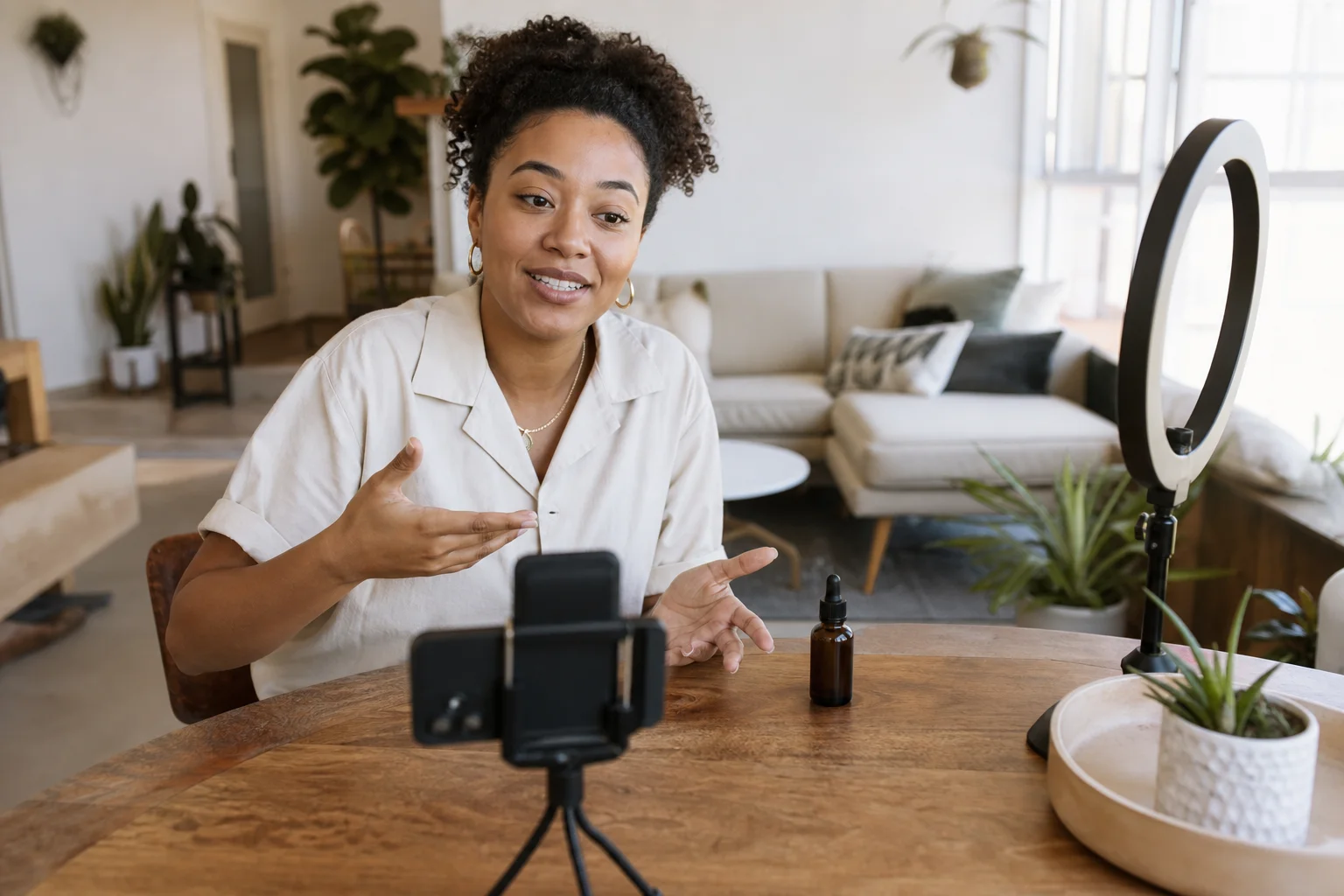
A UGC creator makes content that looks and feels native, an unboxing, a demo, a quick testimonial, that a brand licenses and runs as its own marketing, instead of posting it to their own following. That's the "ugcs meaning" people are usually searching for: user-generated content, made on request, for someone else's feed or ad account. You don't need thousands of followers to do this. You need three solid sample videos, a clear idea of how pricing works, and a pitch that doesn't sound like everyone else's.
Here's the starter plan: what a UGC creator actually does, how to build a working portfolio with your phone this week, how pricing works without guessing, and how to send a pitch a busy brand manager will actually read.
What a UGC creator actually does (it's not the same as being an influencer)
An influencer is paid partly for access to their audience: the brand is buying reach. A UGC creator, also called a UGC content creator, is paid for the content itself. The brand posts it from its own account, runs it as a paid ad, or drops it on a product page. Your follower count is beside the point. What brands hiring UGC content creators are paying for is a video or photo that looks like something a real customer made, because that's the style that tends to perform in ads and on product pages.
That distinction is why so many new creators stall out: they wait until they "have an audience" before applying for UGC work. You don't need one. You need proof you can shoot and edit a clean, on-brief video, which is what the next section is for.
Build three sample videos before you pitch anyone
Brands hire from portfolios, not resumes. Before you send a single pitch, shoot three short videos with your phone that cover the formats brands ask for most. Pick one product you already own, skincare, a snack, a kitchen tool, anything with a clear use, and treat it as your test client.
You don't need much gear: a phone with a camera from the last few years, a window for natural light, and something steady to rest the phone on (a small tripod or a stack of books both work). Any free phone editing app covers trimming clips and adding captions.
Video 1: the hook test
Open with a problem, not the product: "I used to [problem] until I tried this." Say it in the first three seconds, before you show the product in full. Shoot vertically, phone at eye height, with light coming from the side rather than from behind you so your face isn't a silhouette.
Video 2: the demo
Show the product being used in real time while you talk through what it's doing and why it matters. Keep the camera steady on a tripod or a stack of books rather than handheld, and frame the product close enough that details are readable.
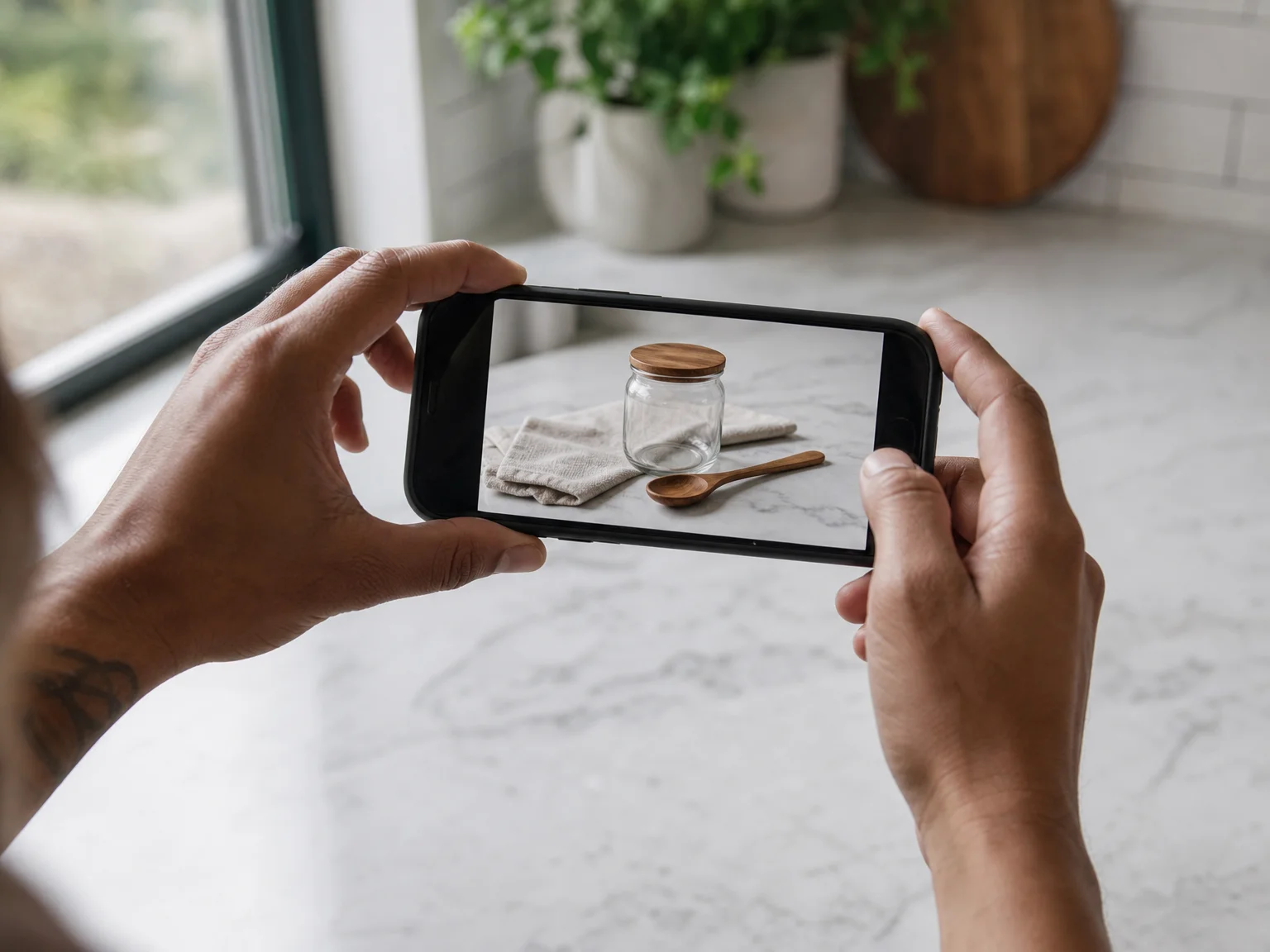
Video 3: the quiet testimonial
A slower, calmer clip: you talking directly to camera about the result, no jump cuts, like you're telling a friend. This is the format brands lean on most for product pages, so it's worth getting right.
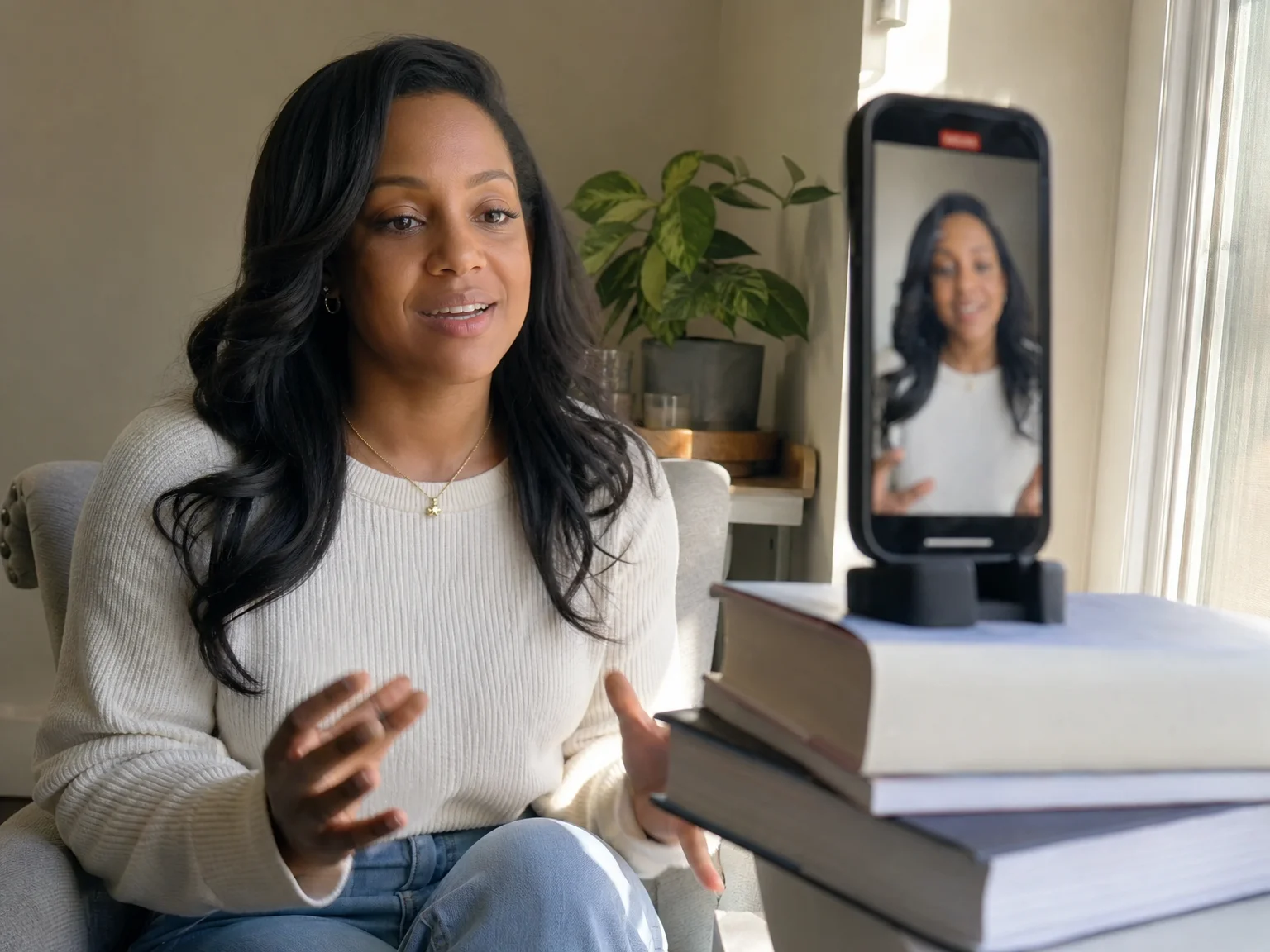
For all three, use window light rather than overhead light, keep backgrounds plain, and film two or three takes of your opening line. Brands tend to scan the first few seconds of a sample before watching the rest, so that's where to spend your effort.
If you want more variety in your sample reel without reshooting the same room over and over, Repfie's Replure puts your verified likeness into a new scene, pose, outfit and backdrop you choose, so your portfolio can show range without booking a studio day.
How UGC pricing actually works (so you don't undersell yourself)
Most UGC work is priced per deliverable, not by the hour or by your follower count. A brief usually specifies a number of videos or photos, a length, and what the brand plans to do with them. Two things move the price more than anything else:
- Usage rights. Posting to your own small following as proof of work is different from the brand running your clip as a paid ad for six months. Ask what the content will be used for, and for how long, before you quote, and treat organic use, paid ad use, and extended licenses as separate line items.
- Revisions. Agree upfront on how many rounds of edits are included before you start charging for additional ones.
There's no single standard rate, and anyone promising guaranteed income from UGC work is skipping the part where it depends on your niche, your portfolio and the brand's budget. What you can control is pricing by deliverable and usage rather than guessing a number on the spot, and raising your rate as your portfolio and client list grow.
If you'd rather earn from products you already use and recommend, without quoting jobs one at a time, Repfie's Angelfluencer program works differently: you promote products and services you already love, earn a commission on sales that result, and never hold inventory or ship anything. Your verified likeness is licensed to the seller with your approval on every use, so you're not signing away how your face gets used.
Write a pitch brands actually open
Skip the generic "Hi, I'd love to collaborate" message. A pitch that gets a reply usually has four parts, in this order:
- A specific reason you're reaching out. Name the product or a recent post, not "I love your brand."
- Who you are, in one line. Your niche and the format you shoot, not your life story.
- Proof, linked. One or two of your sample videos, not a folder they have to go hunting through.
- One clear ask. Either your rate for a defined deliverable, or a direct question about their budget and brief. Don't make them guess what you're offering.
Keep it short enough to read on a phone, and say plainly that you're pitching for paid UGC work. Vague messages get ignored; specific, honest ones get a reply either way, even if it's no.
Where to find your first few brands
Start close to home: brands whose products you already use have the easiest yes, because you don't have to fake enthusiasm. Check the brand's own site for a "creator" or "work with us" page, search the product name alongside "UGC" to see who else is already making content for it, and look at any public ad library to see which brands are currently running UGC-style ads and might want more. Small, local businesses often have the smallest budgets but the shortest path to a first yes while you're still building your portfolio.
Keep a simple list of who you pitched, when, and what you offered. Following up once, a week or two later, gets replies that the first message didn't.
Turn your first videos into ongoing income
Once you have a working portfolio and a pitch that gets replies, the two slowest parts of UGC work are the two Repfie is built to shortcut. Building fresh sample content without booking a studio or reshooting the same room is what Replure is for: pick a pose, outfit and backdrop, and your verified likeness is placed into the scene. And once you're past one-off gigs and want ongoing income from products you'd recommend anyway, the Angelfluencer program pays a commission per sale with no inventory to manage, while you keep approval over every use of your likeness.
FAQ
What does UGC stand for, and what does a UGC creator actually do? UGC stands for user-generated content. A UGC creator makes videos or photos, unboxings, demos, testimonials, that look native rather than like a polished ad, and licenses that content to a brand to use in its own marketing. You're paid for the content itself, not for your own audience.
Do I need a big following to become a UGC creator? No. Brands hiring UGC creators are buying the content, not access to your followers, so a small or even brand-new account can land paid work if the sample videos are clean and on-brief.
What equipment do I actually need to start? A smartphone with a camera from the last few years, a source of natural window light, and something steady to hold the phone, a small tripod or a stack of books both work. A free phone editing app covers trimming and captions.
How is a UGC creator different from an influencer? An influencer is partly paid for reach, posting to their own audience. A UGC creator is paid for the content itself, which the brand then posts from its own accounts or runs as an ad.
How do UGC creators typically get paid? Most UGC work is priced per deliverable, a set number of videos or photos, with usage rights (how and how long the brand can use the content) priced separately from the content itself. Rates vary by niche, portfolio and usage, so there's no single standard rate.
Where should I send my first pitches? Start with brands whose products you already use, since your enthusiasm doesn't have to be manufactured. Check for a "work with us" or creator page on the brand's site, or look at which brands are currently running UGC-style ads.
Show up as the real you
Repfie is the social platform where every profile is a verified, real person. Share your best shots, grow a following that trusts you, and earn from real recommendations.
Join Repfie free →