Instagram Influencer Marketing for Small Businesses: Find, Brief and Pay Creators Without Wasting Ad Spend
A practical guide to Instagram influencer marketing for shops, restaurants, services and stays: how to find local creators, write a one-page brief, pick flat-fee, gifting or commission, and track sales instead of likes.
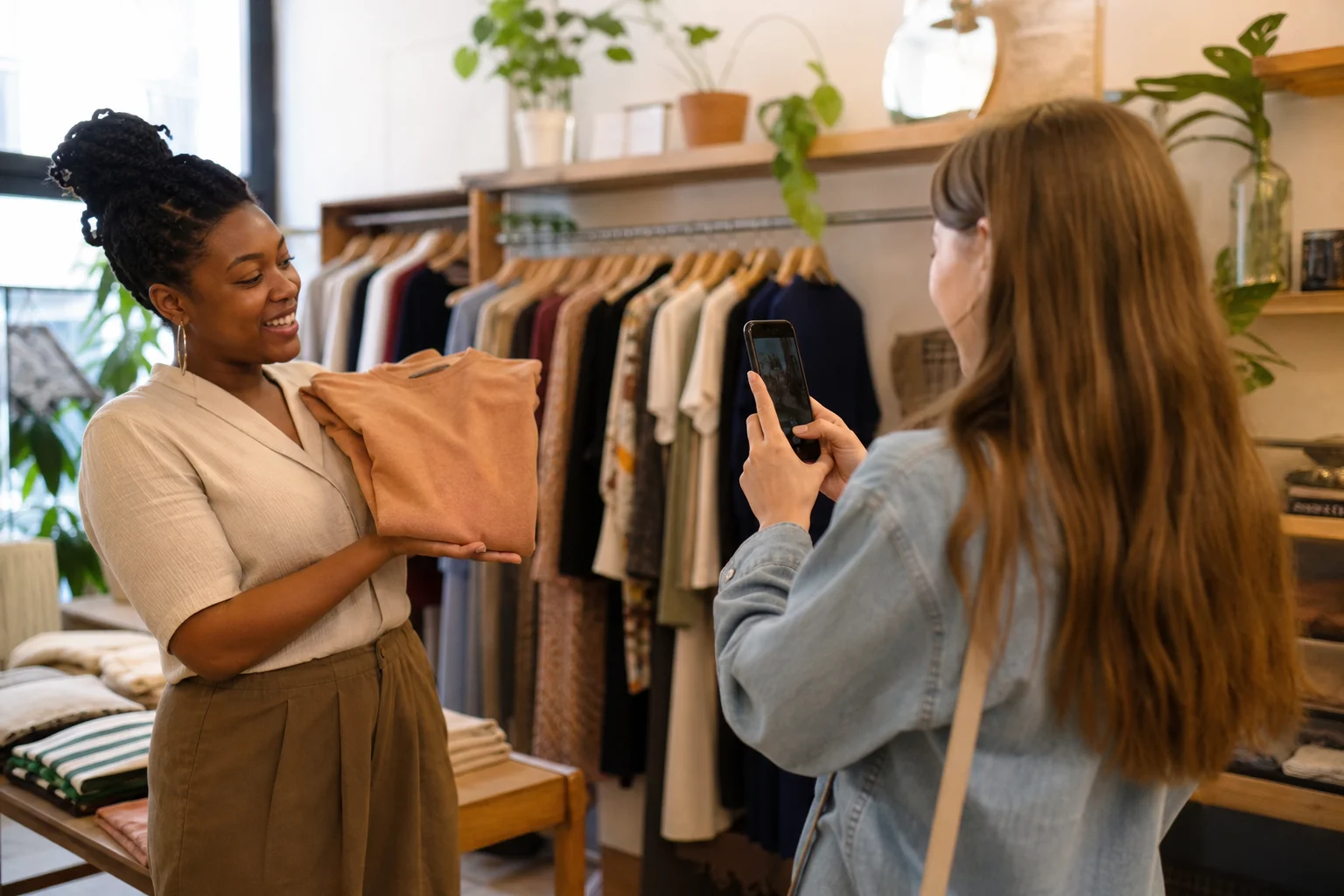
If you run a shop, a restaurant, a service business or a short-term rental, Instagram influencer marketing doesn't have to mean paying a stranger with 200,000 followers to post a blurry photo of your storefront. The version that actually works for small, local businesses looks different: find a handful of creators whose audience already overlaps with your customers, give them a one-page brief so the content is usable, pick a payment structure that matches your risk tolerance, and measure the partnership by sales, not likes.
Here's how to run that process end to end.
Why this works better than boosting a post
Paid ads can get your business in front of strangers. A creator partnership gets you in front of strangers through someone their audience already trusts, which is a large part of why word-of-mouth still outperforms a cold ad for local buying decisions. The upside for a small business is that you don't need a celebrity or a huge budget. A nano or micro creator who regularly posts about your neighborhood, your category (coffee, skincare, home rentals, personal training) or your city carries more weight with a local audience than a national name who has never set foot in your store.
The tradeoff: you have to do the matching and the briefing yourself, since you don't have an agency's roster. That's the part most generic influencer marketing guides skip, and it's the part this guide focuses on.
Step 1: Find creators who fit, not just creators with followers
Start with people who already like you. Check who has tagged your location, used your branded hashtag, or mentioned your business in Stories in the last few months, that's a warmer lead than a cold outreach list. From there, widen the search:
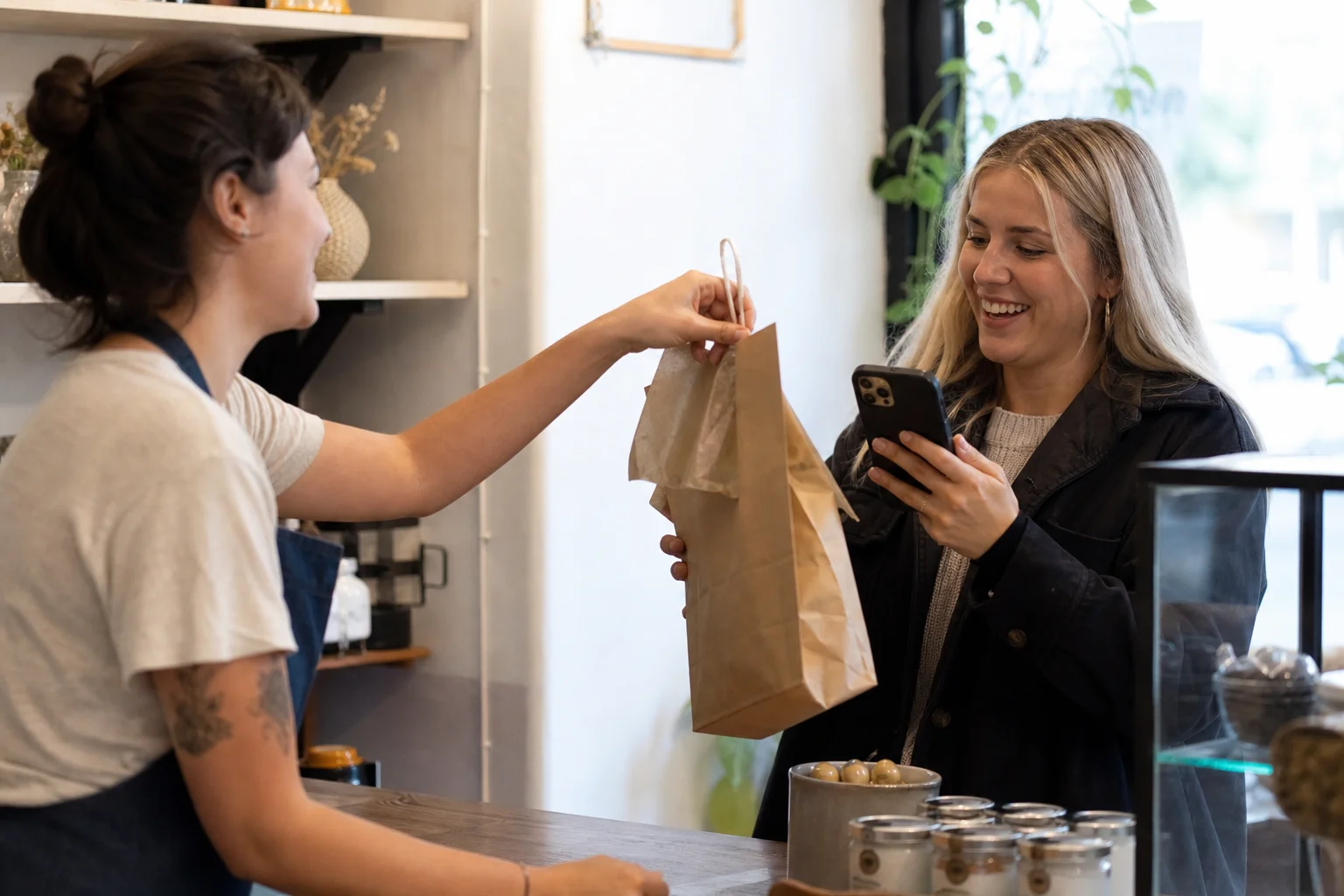
- Search neighborhood and city hashtags plus your category (for example, your city name plus "coffee" or "boutique" or "staycation").
- Look at who your direct competitors' happy customers follow, those audiences often overlap with yours.
- Check engagement, not just follower count. A creator with 8,000 followers and a lot of genuine comments is usually a better bet for a local business than one with 80,000 followers and a quiet comment section.
Fake or inflated followings are a real risk when you're vetting strangers off hashtags. This is one of the reasons Repfie's verified human profiles and likeness registration exist: a quick liveness check confirms a profile belongs to a real person, and any AI-made content created with that person's likeness is signed as theirs. It won't tell you whether a creator is a good fit for your brand, but it does cut down on the guesswork of whether you're talking to a real account in the first place.
Step 2: Write a one-page brief (this is what actually gets you usable content)
Most disappointing influencer content isn't the creator's fault, it's a brief that only said "come try our food!" Keep it to one page and cover:
- The goal in one sentence (more foot traffic on weekday mornings, more bookings for midweek stays, awareness for a new menu item).
- What they're featuring: the specific product, dish, room or service, including anything you need shown clearly (a label, a view, a feature).
- Deliverables: format (Reel, Story set, feed post), how many, and by what date.
- Key message, in your words, not a script, just the one or two things you want a viewer to walk away knowing.
- Must-haves and must-avoids: brand name spelled correctly, no competitor mentions, any safety or accuracy notes.
- Disclosure: ask them to mark the post as a paid partnership using Instagram's built-in label so it's clearly sponsored.
- Usage rights: can you repost the content on your own account, website or ads, and for how long.
- Payment and timeline: what they're getting, when, and what you need from them to release it.
Send this before any product, gift card or booking goes out. A one-page brief takes 15 minutes to write and saves you from three rounds of "can you reshoot this."
Step 3: Choose flat-fee, gifting or commission, based on what you can risk
There's no single right payment model, each one trades cost for certainty differently.

Flat fee. You agree on a price upfront for defined deliverables. This is the most predictable option and usually the easiest to negotiate with creators who already have a rate, but you pay whether or not the post drives a single sale.
Gifting. You send free product, a free meal, or a comped stay in exchange for a post, with no cash changing hands. This works well with nano creators and in categories where the product itself is the draw (food, beauty, small goods). It's low-cost, but creators aren't obligated to post, and you have less leverage over timing or quality.
Commission. You pay a percentage only when a tracked sale happens, through a discount code, affiliate link or booking reference. This is the least risky option for cash flow since you're not paying for reach or vanity metrics, only results, but it only works if you can actually track which sales came from which creator.
For small businesses watching every dollar of acquisition cost, commission-only deals are often the most attractive because the spend scales with revenue instead of being fixed upfront. This is exactly the model behind Repfie's Angelretailer and Campaign Builder: verified creators promote your business and you pay a commission only on confirmed sales, and you can target creators by influence level, sales record and city, which solves the local-fit problem from Step 1 and the risk problem from Step 3 in one place.
Step 4: Track sales, not likes
Likes and reach tell you a post was seen. They don't tell you whether it made you money. Before a creator posts anything, set up a way to attribute a sale back to them:
- A unique discount code per creator, used at checkout, in-store at the register, or at booking.
- A trackable link (UTM-tagged) if they're linking out in a Story or bio.
- A simple "how did you hear about us?" prompt at checkout or during booking, logged consistently so you can spot patterns over time.
Review results against the deliverable, not against vanity metrics. A Reel with modest views but three redeemed codes beat a Reel with ten times the views and zero redemptions. If a creator consistently drives redemptions, that's who you brief again next month, regardless of their follower count.
Put it together without wasting the budget
The core loop for small-business influencer marketing is: find a creator whose audience is actually local or actually relevant, brief them clearly, pick a payment model that matches your appetite for risk, and track the one number that matters, confirmed sales. If you want to run this as an ongoing program instead of a one-off, Repfie's Angelretailer and Campaign Builder is built around that loop: you target creators by influence level, sales record and city, and you pay a commission only when a sale is confirmed. Paired with Repfie's verified human profiles, you're working with creators who've passed a liveness check rather than an anonymous handle with a following you can't verify.
FAQ
How many followers does a creator need before a small business should work with them? Follower count matters less than audience fit and engagement. A creator with a few thousand followers who posts regularly about your neighborhood or category, and gets real comments, is usually a better partner for a local business than someone with a much larger but less relevant following.
What's the difference between gifting and paying an influencer in cash? Gifting means sending free product, a meal or a comped stay in exchange for a post, with no money changing hands; it's low-cost but the creator isn't obligated to post. A flat fee is an agreed cash payment for specific deliverables, which is more predictable but costs money regardless of results.
How much do Instagram creators typically charge per post? Rates vary widely by tier and category. Industry pricing guides put nano creators (1,000 to 10,000 followers) around $25 to $300 per post, micro creators (10,000 to 100,000) around $250 to $5,000, and macro creators (100,000 to 1 million) from about $1,600 up, though gifting and commission deals can replace a flat fee entirely for smaller businesses.
Should I pay a flat fee or a commission per sale? A flat fee is more predictable for the creator and easier to negotiate, but you pay regardless of outcome. A commission-only deal is lower risk for your cash flow because you only pay when a sale is confirmed, but it depends on having a reliable way to track which sales came from that creator.
How do I know if a creator's followers are real? Check for consistent engagement (comments that reflect the actual post, not generic emoji spam) relative to follower count, and look at whether their audience matches your local area or category. Working with verified, liveness-checked profiles also reduces the chance you're negotiating with a fake or bot-driven account, though no single check eliminates fraud entirely.
What should actually go in an influencer brief? Keep it to one page: the goal, what's being featured, deliverables and deadline, your key message, must-haves and must-avoids, a disclosure requirement, usage rights, and payment terms. Sending this before any product or payment goes out avoids most reshoots and miscommunication.
Sources: influee.co.
Show up as the real you
Repfie is the social platform where every profile is a verified, real person. Share your best shots, grow a following that trusts you, and earn from real recommendations.
Join Repfie free →