Romance Scams: How Dating Scammers Work, the Red Flags, and What to Do If It Happens to You
How romance scams actually work, stage by stage, the red flags that show up before the money ask, and exactly how to report one to the FTC and FBI.
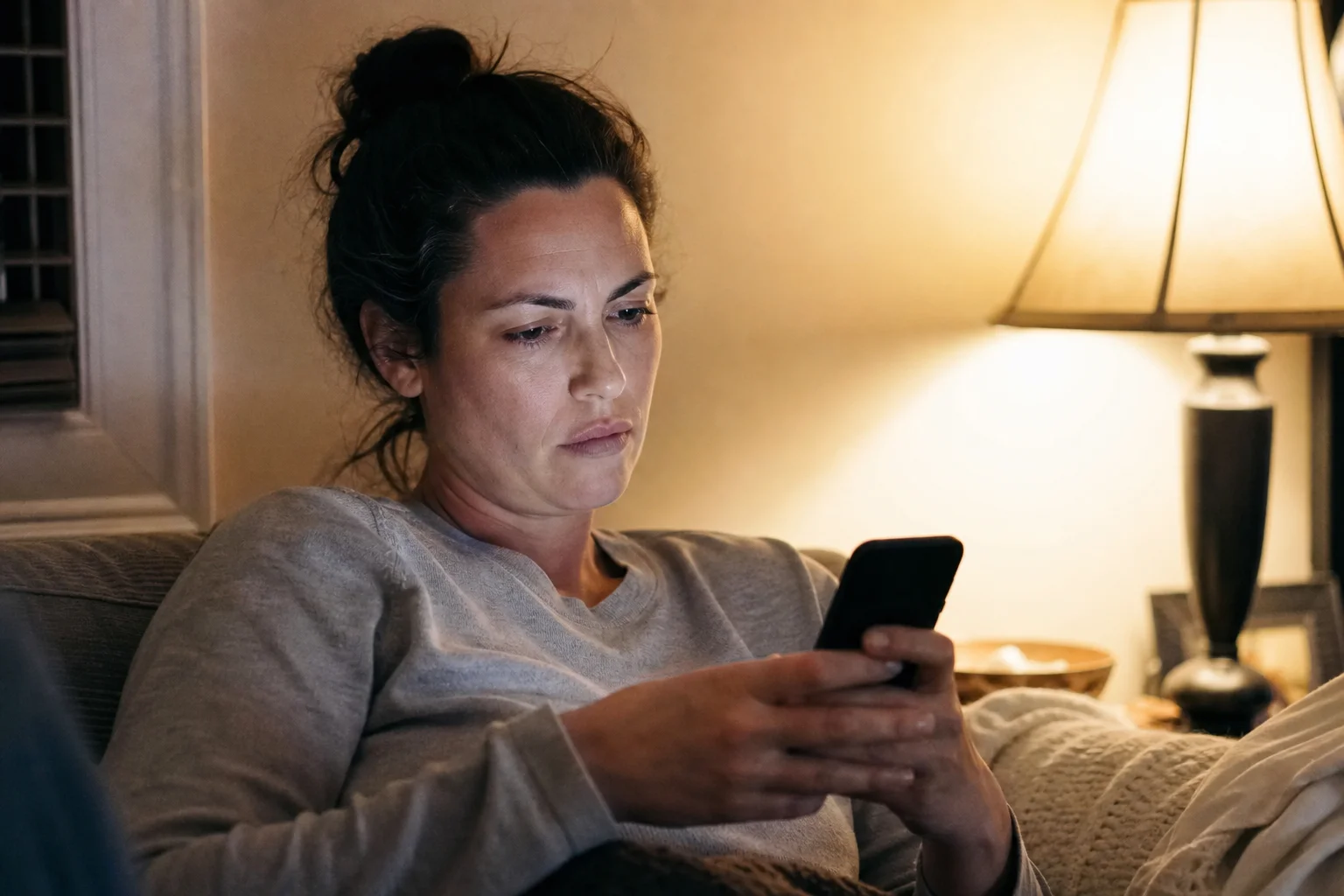
A romance scam is when someone builds a fake online relationship with you, often for weeks or months, so that they can eventually ask you for money. The Federal Trade Commission (FTC) says scammers do this by creating fake profiles on dating sites and apps, or by reaching out through social platforms like Instagram or Facebook, then moving fast to build trust before the money ask ever comes. Here is the playbook they follow, the signs that give it away early, and the exact steps to take if it happens to you or someone you love.
What Is a Romance Scam?
A romance scam is a confidence scheme: someone convinces you they're falling for you, then uses that trust to get money, gifts, or financial information out of you. The FBI describes it as a criminal using a fake online identity to gain a victim's affection and trust, then exploiting the illusion of a relationship for financial gain. The U.S. Secret Service defines it the same way, as a scheme where the scammer gains a victim's trust specifically by developing what looks like a romantic relationship. These aren't isolated catfish pranks; they're run methodically, often by organized groups working from scripts, and the goal from message one is always financial.
How the Dating Scam Playbook Works, Stage by Stage
Romance scams follow a repeatable sequence. Recognizing which stage you're in is the fastest way to spot one before money changes hands.

Stage 1: First Contact
It usually starts with a message on a dating app, or an unexpected follow, comment, or DM on Instagram, Facebook, or another social platform, according to the FTC. The profile photo is almost always attractive, often a stolen photo of someone else entirely. The opening message is friendly, low-pressure, and designed to get you replying.
Stage 2: Love-Bombing and Fast Intimacy
Once you respond, the pace accelerates. Scammers message constantly, sometimes several times a day, and escalate affection quickly: pet names, declarations of love, talk of a future together, all within days or weeks. This isn't romantic enthusiasm. It's a pressure tactic that short-circuits the normal, slower trust-building of getting to know a stranger, so you let your guard down before you've had time to verify anything about them.
Stage 3: Moving Off the Platform
Early on, the scammer will ask to continue the conversation somewhere else, like personal email, a texting app, or a phone number, the FTC notes. This gets them off the dating app or social platform before its safety team or algorithms can flag the suspicious patterns in the conversation, and it also means there's no longer a paper trail on a platform that could suspend the account.
Stage 4: The Crisis
At some point, a believable excuse appears for why you two can't meet or can't get on video: they work on an oil rig, they're deployed overseas with the military, or they've taken a job assignment in another country, per the FTC. This is also when a "crisis" often surfaces, a medical emergency, a detained shipment, a legal problem, a stranded relative, something urgent and solvable only with your help.
Stage 5: The Money Ask
The ask itself usually comes wrapped in that crisis, and scammers favor payment methods that are hard to trace and nearly impossible to reverse: wire transfers through services like Western Union or MoneyGram, gift cards with the PIN read over the phone (Amazon, Google Play, iTunes, and Steam cards are common), money transfer apps, and cryptocurrency, according to the FTC. Crypto asks have a twist: instead of a direct gift, the scammer frames it as an "investment opportunity," often walking you through setting up an account on a fake trading platform they control, so it feels like your money is growing right up until you try to withdraw it. Once one ask succeeds, there is almost always another.

What Are the Red Flags of a Romance Scam?
The clearest red flags appear before any money is requested, which is exactly why they're worth learning. Watch for: profile photos that look professionally shot or match a public figure (run a reverse image search), declarations of love within days of first contact, a push to move off the dating app fast, a job that conveniently explains why they can't video chat or meet (oil rig work, military deployment, overseas contracts), and any request involving wire transfers, gift cards, or cryptocurrency. The FTC's single clearest rule covers almost every case: never send money or gifts to someone you have not met in person.
Can a Scammer Fake a Video Call?
Getting someone on video is a good instinct, but it isn't proof by itself. Treat a video call that's suspiciously brief, conveniently glitchy, or that always seems to cut out right when you'd confirm a detail (their face in good light, their surroundings, a document) as its own yellow flag rather than a clean bill of health. Combine it with everything else: does the voice, the apparent age, and the backstory all line up with the original profile? A short, high-quality video call that answers specific questions you ask on the spot is far more convincing than one that happens on the scammer's terms only.
How Do You Report a Romance Scam?
Report it to two federal agencies and the platform where it started. File with the FTC at ReportFraud.ftc.gov and separately with the FBI's Internet Crime Complaint Center at IC3.gov; IC3 shares reports with FBI field offices and other law enforcement partners to help them see patterns across victims. Also report the profile directly to the dating app or social platform so it can be removed. One important warning from IC3 itself: scammers sometimes impersonate IC3 after the fact, contacting past victims and offering to recover their lost funds for a fee, often through a "law firm" or "crypto recovery service." The real IC3 does not contact victims directly or work with recovery services, so treat any such follow-up as a second scam attempt.
How Do You Help a Family Member Who's Being Scammed?
Lead with concern, not confrontation. Someone deep in a romance scam has usually invested real emotion and often real money, and telling them bluntly "this is a scam" tends to trigger defensiveness rather than relief. Ask open questions instead: how did you two meet, have you spoken on video, what do they do for work, have they asked you for money yet. Share specific details from this article rather than a flat accusation; a stranger's generic playbook is easier to accept than a judgment about their own situation. Offer to look at the profile and messages together, suggest a reverse image search on photos, and if money has already been sent, help them report it to ReportFraud.ftc.gov and IC3.gov right away. Avoid cutting off contact with your family member over this; isolation is often what let the scam continue in the first place.
Knowing Who You're Actually Talking to Before It Gets That Far
Most of this damage happens because the other side of the conversation isn't a real, verifiable person, and there was no way to check that early. Repfie is not a dating app, but it's built around that exact problem: every profile on Repfie goes through verified human profile and likeness registration, a quick liveness check that confirms you're talking to a real person rather than a stolen photo or an AI-generated face. The scan itself is deleted afterward, and your likeness is never sold or used to train AI; any AI creation made with your verified likeness on the platform is signed as yours. That verification narrows the field of who can even hold a profile, though it doesn't guarantee someone's intentions or eliminate every scam or catfish attempt, so the habits above (reverse image searches, no money before meeting, reporting to the FTC and IC3) still matter no matter where you meet someone.
If your goal is simply meeting real people and having real conversations rather than managing a flooded inbox of strangers, VoomChat lets people spend Repfie Tokens, in-app credits, to jump your message queue, so the messages that do get through are from people putting something behind the conversation. And if text-first chat feels too easy to fake, Resonfy is a feed of short voice notes and voice replies, a format that's a lot harder to run as a copy-pasted script across a dozen victims at once.
A Final Word
Romance scams work because they borrow the real shape of falling for someone and speed it up past the point where most people would normally pause to verify a stranger. Slow that pace back down on purpose: insist on a real video call early, run a reverse image search before you're invested, and treat any money request, crypto "investment" included, as a hard stop until you've met in person. If you've already sent money, report it the same day to ReportFraud.ftc.gov and IC3.gov, and tell the platform where it started.
FAQ
What is a romance scam? A romance scam is when someone builds a fake online relationship with you, often on a dating app or social platform, to gain your trust and then ask for money, gifts, or financial access. The FBI describes it as using a fake online identity to create the illusion of a relationship for financial gain.
How do romance scammers typically ask for money? According to the FTC, scammers ask for money to cover medical emergencies, travel costs, visa fees, or legal trouble, and they request payment through wire transfers (Western Union, MoneyGram), gift cards (Amazon, Google Play, iTunes, Steam), money transfer apps, or cryptocurrency, sometimes framed as an 'investment' on a trading platform they control.
Where do I report a romance scam? Report it to the FTC at ReportFraud.ftc.gov and to the FBI's Internet Crime Complaint Center at IC3.gov, then report the profile to the dating app or social platform where contact started.
Will a romance scammer get on a video call? Usually not. The FTC notes scammers often give excuses like working on an oil rig, military deployment, or an overseas job to avoid meeting or video chatting. If a call does happen, a suspiciously short or glitchy one that avoids specific, on-the-spot questions is still a red flag.
How can I help a family member who might be a victim of a romance scam? Ask open questions about how they met and whether they've video-chatted, rather than accusing them outright. Offer to review the profile and photos together, suggest a reverse image search, and if money has already been sent, help them report it to ReportFraud.ftc.gov and IC3.gov right away.
Does profile verification stop romance scams? No single feature eliminates fraud or catfishing. Verified human profiles narrow who can hold an account, but you should still avoid sending money to anyone you haven't met in person and report suspicious activity to the FTC and IC3.
Sources: consumer.ftc.gov; ic3.gov; fbi.gov; secretservice.gov.
Show up as the real you
Repfie is the social platform where every profile is a verified, real person. Share your best shots, grow a following that trusts you, and earn from real recommendations.
Join Repfie free →